Discover the Elegance of Old String: A Perfect Font Duo for Classic and Refined Typography
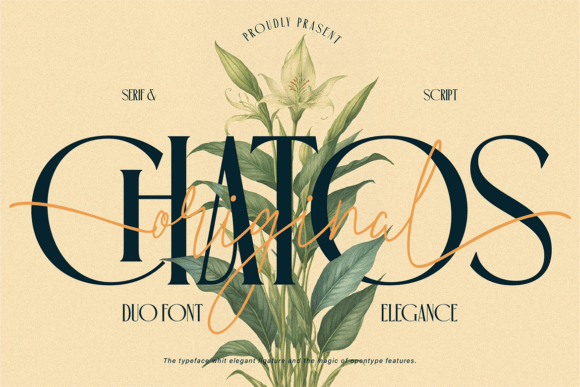
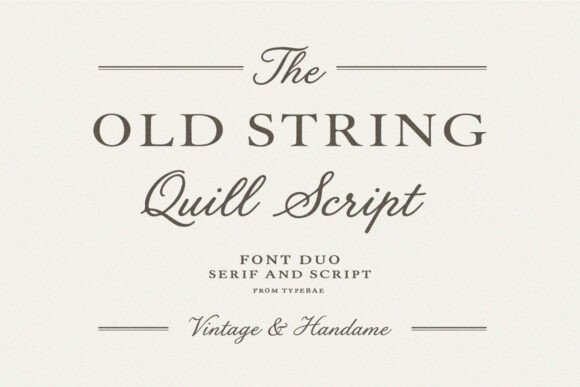
Old String is a font duo that seamlessly blends an elegant vintage serif with a graceful quill style script. This combination creates a timeless and sophisticated aesthetic, making it a versatile choice for a wide range of design projects. Whether you're designing logos, wedding invitations, or editorial layouts, Old String offers a balanced contrast between structured serif and flowing script, adding warmth, heritage, and artistic character to every design.
The Art of Combining Serif and Script
One of the most striking features of Old String is its ability to harmonize two distinct yet complementary styles. The vintage serif provides a strong, classic foundation, while the quill style script adds a touch of elegance and personalization. This duality allows designers to create typography that feels both traditional and modern, appealing to a broad audience.
Elegant Vintage Serif
The vintage serif in Old String is meticulously crafted to evoke a sense of timelessness and sophistication. Its clean lines and well-defined serifs make it perfect for creating a professional and refined look. This style is particularly effective for branding, packaging, and editorial designs where clarity and legibility are paramount.
Graceful Quill Style Script
The quill style script in Old String brings a handwritten, organic feel to the font. Its flowing, cursive-like strokes add a personal and intimate touch, making it ideal for wedding invitations, greeting cards, and other special occasion designs. The script's fluidity and gracefulness complement the serif's structure, creating a visually balanced and cohesive look.
Perfect for Logos and Branding
When it comes to creating a memorable brand identity, Old String stands out as a top choice. The combination of the vintage serif and quill style script allows for a versatile and unique logo design. For example, the serif can be used for the main company name, while the script can highlight a tagline or secondary text, adding a touch of elegance and personality.
Brand Consistency and Recognition
Maintaining brand consistency is crucial for building recognition and trust. Old String offers a consistent and recognizable aesthetic across various applications, from business cards to website headers. The font's versatility ensures that your brand's visual identity remains strong and cohesive, no matter the medium.
Wedding Designs and Invitations
Weddings are one of the most significant events in people's lives, and the right typography can set the tone for the entire celebration. Old String is a perfect choice for wedding designs and invitations, offering a blend of elegance and intimacy. The vintage serif can be used for the main details, such as the couple's names and event date, while the quill style script can add a romantic and personal touch to the overall design.
Creating a Memorable First Impression
First impressions matter, especially when it comes to wedding invitations. Old String helps create a memorable and inviting first impression, setting the stage for a beautiful and meaningful celebration. The font's classic and refined appearance resonates with couples who value tradition and elegance, making it a popular choice among wedding planners and designers.
Editorial Layouts and Packaging Design
Beyond logos and wedding designs, Old String is also highly effective for editorial layouts and packaging design. The font's versatility and balance make it suitable for a wide range of publications, from magazines and books to product packaging and labels.
Enhancing Editorial Content
In editorial design, Old String can elevate the overall aesthetic of the content. The vintage serif can be used for headings and subheadings, providing a clear and authoritative presence. The quill style script can be incorporated for callouts, sidebars, or decorative elements, adding a touch of elegance and visual interest.
Stylish and Functional Packaging
For packaging design, Old String offers a stylish and functional solution. The font's classic and refined look can enhance the perceived value of a product, making it more appealing to consumers. Whether it's a high-end cosmetic line or a luxury food product, Old String can help create a sophisticated and trustworthy brand image.
Practical Benefits and Considerations
Choosing the right font for your project is essential, and Old String offers several practical benefits. Its versatility, elegance, and readability make it a valuable addition to any designer's toolkit. However, there are also some considerations to keep in mind to ensure the best results.
Versatility Across Projects
One of the key advantages of Old String is its versatility. The font duo can be used in a variety of contexts, from digital to print, and across different industries. This flexibility allows designers to create a consistent and polished look across multiple projects, saving time and effort.
Readability and Legibility
While Old String is visually appealing, it's important to consider readability and legibility, especially for longer texts. The vintage serif is highly readable, making it suitable for body text. The quill style script, while elegant, is best used for shorter, more decorative text to avoid overwhelming the reader.
Customization and Personalization
Another benefit of Old String is its customization options. Designers can adjust the kerning, tracking, and other typographic settings to fine-tune the font to their specific needs. This level of personalization allows for a tailored and unique design, enhancing the overall impact of the project.
Conclusion
Old String is a font duo that combines the best of both worlds: the elegance of a vintage serif and the gracefulness of a quill style script. Its versatility, balance, and timeless appeal make it a top choice for a wide range of design projects, from logos and wedding invitations to editorial layouts and packaging. By incorporating Old String into your design repertoire, you can create classic and refined typography that leaves a lasting impression.